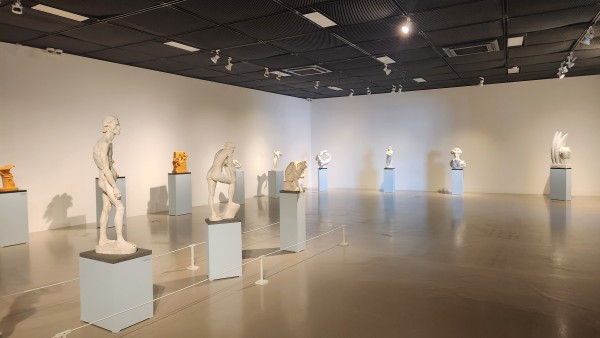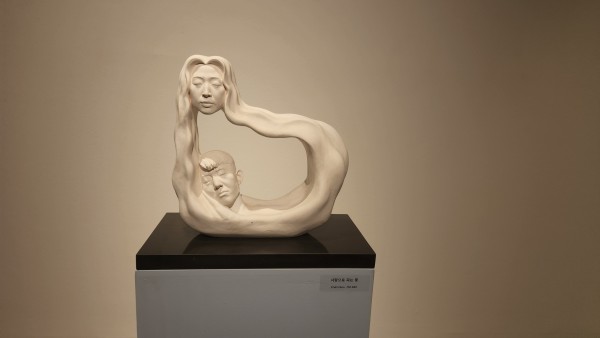
The solo exhibition of sculptor Park Min-gwang, currently on view on the third floor of the Insa Art Center (41-1 Insadong-gil), will remain open to visitors until the first of next month.
Devoted to the essential and classical roots of sculpture, Park unveils a body of work that reflects her long-standing pursuit of timeless form and emotional depth.
Through metaphorical interpretations of the human figure and floral motifs, she explores the inner essence of womanhood and the emotional topography that accompanies life’s unfolding journey.
Her sculptural language opens a space where the artist’s sensitivity meets the viewer’s introspection, inviting a shared moment of quiet reflection.
Park hopes that the exhibition will resonate with audiences through a rare, retro-tinged sentiment—an atmosphere seldom encountered today.
Regarding the influence of AI on contemporary art, Park explains that while artificial intelligence may offer useful starting points for research or structural ideas, it cannot replace the tactile intuition and emotional reasoning that define authentic sculpture.
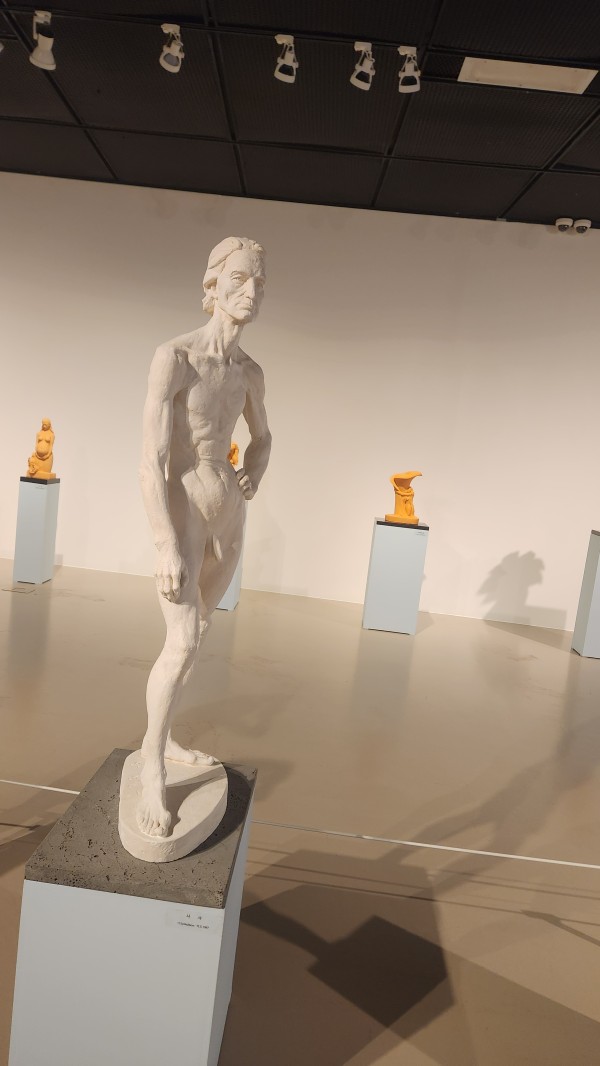
Technology, she believes, may broaden creative horizons, but the deeper resonance of sculpture emerges only from the human hand and the sustained contemplation behind it.
As the conversation begins not in her studio, but inside a quiet corner of the Insa Art Center, the first impression is a sense of calm—a stillness that echoes the world her sculptures inhabit.
The forms on display speak of decades of collected memories: a woman’s face merging with petals, butterfly-like shapes poised in mid-transition, and fragments of past sketches arranged like quiet witnesses to passing time.
For more than thirty years, Park Min-gwang has shaped emotion, recollection, and lived experience into clay and bronze.
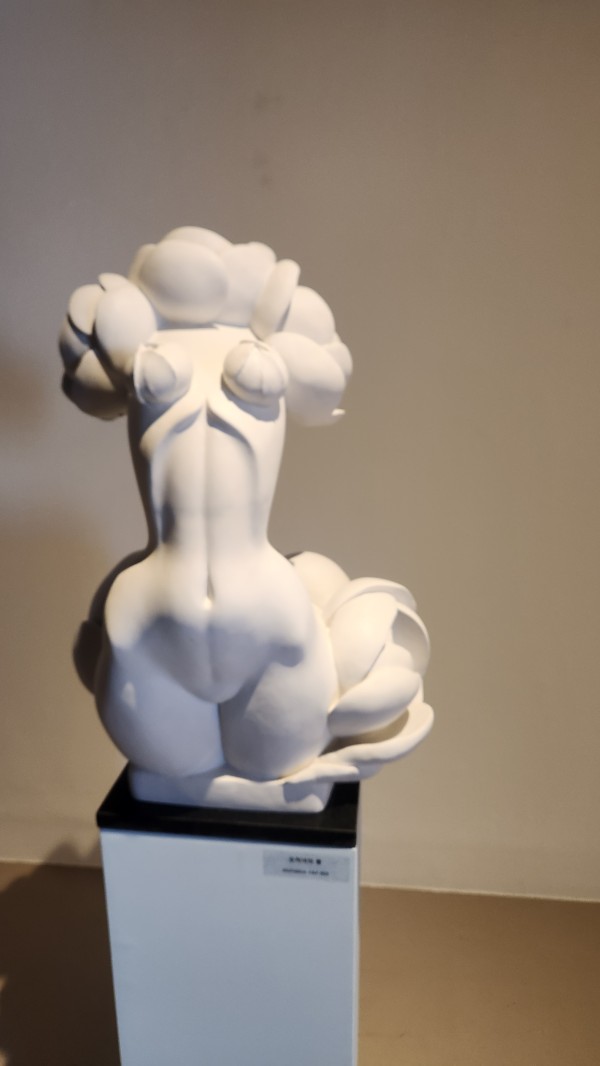
A fleeting feeling, a sentence overheard, a contour glimpsed in daily life—any of these, she explains, can ignite her imagination.
“Anything that stirs me becomes a sculpture,” she reflects. This interview set out to understand how Park “sculpts time,” and how her personal history becomes interwoven with the forms she creates.
“Eventually, my sculptures began to resemble me.” “Sculpture is a vessel that holds the life I’ve lived,” Park begins.
“The pieces I made when I was young look nothing like what I create now—because I am no longer the same person.”
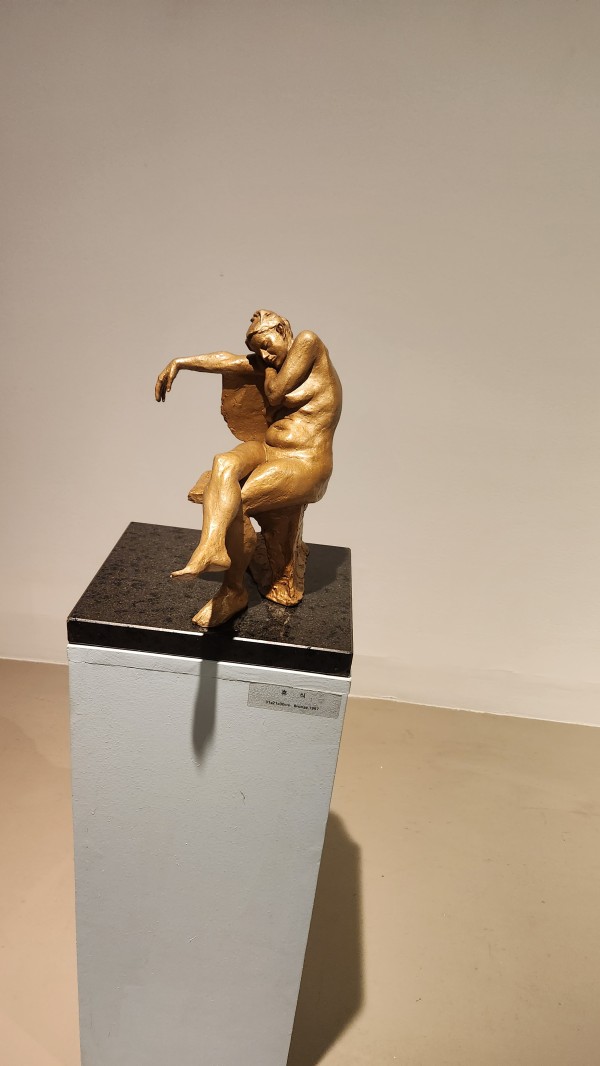
After returning from her studies in Russia in her late twenties, she rebuilt her practice in Korea, yet rarely presented her work. Not for lack of creations, but because she hesitated to release anything she felt was unresolved.
“I kept sculpting but wasn’t showing anything. At some point I thought, ‘If I continue like this, I may finish my life as an artist without ever holding a real exhibition.’ Changing my mindset was difficult, but once I opened my first show, the response was warmer than I expected. That gave me courage.”
Behind her measured tone is the weight of years spent wrestling with doubt and resolve.
A Sculpture That Evolves as the Artist Evolves For Park, a sculpture does not end at completion—it continues to shift as her own perception shifts. One early work, created soon after her return from Russia, remains especially personal. Over time, she realized that the original title no longer matched her feelings.
“As years passed, the sculpture seemed to change. It was the same piece, but I wasn’t the same person. Eventually, I renamed it Where Love Blooms because my emotions had deepened.” Time, for Park, is inseparable from artistic evolution. “A sculpture must be convincing from every angle.”
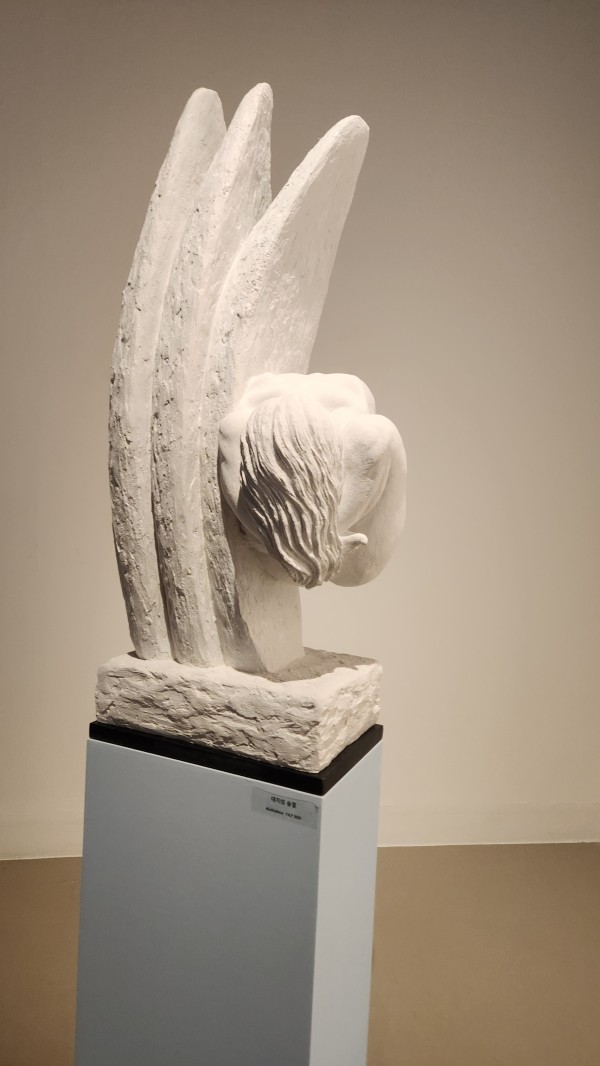

When asked why she chose sculpture over painting, her response is immediate. “With sculpture, beauty cannot exist from only one direction. It must be compelling from every angle. That challenge excites me. And I love the coolness of clay in my hands.”
In her twenties and thirties, she focused intensely on the movement of the human body—particularly the way hair sweeps through air.
“When hair moves, it shapes space. I spent years trying to translate that sense of lightness.” During this period, her work avoided mythological symbols or borrowed narratives.
“My work then centered on my relationship with my husband—our private world. I didn’t want external symbolism. It had to be my story.” “Inspiration strikes without warning… That’s why I don’t drive.” Laughing softly, Park describes the suddenness of her ideas.
“It happens instantly. A bit of writing on a wall, an odd shadow, a sentence passing by—I suddenly fall into deep thought. That’s why I avoid driving. It’s dangerous.”
Her daily routine is simple, nearly minimalist, yet the emotional residue of these small moments resurfaces later in her sculptures. Music is one of her most powerful triggers. “I listen to anything—classical, traditional Korean music, pop—as long as it mirrors my emotions. When I’m working alone with music, I feel most alive.”
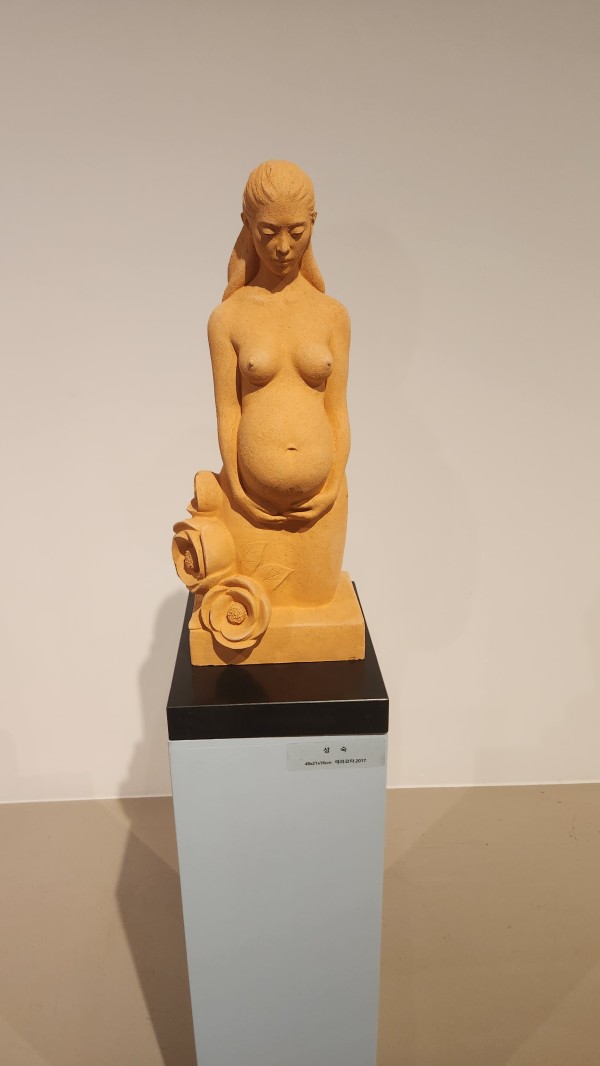
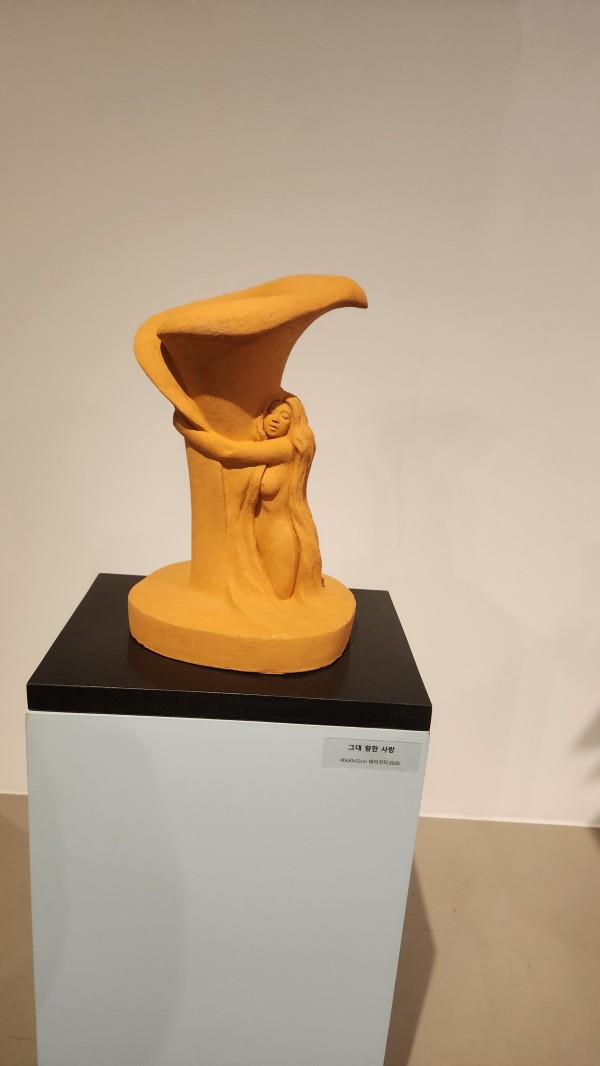
Midlife Transformations: Women, Flowers, Butterflies Park experienced a significant shift through pregnancy and childbirth—events that reshaped her emotional rhythm and artistic vocabulary. “Pregnancy changed everything. Emotionally and physically. I remember looking in the mirror and seeing both my younger and older selves. After that, women and flowers entered my work naturally.”
Flowers became symbols of femininity; butterflies, subtle vibrations of longing, traces of masculine presence, or the quiet anticipation of waiting. Her piece Love Toward You embodies this transformation.
“The petals sometimes feel like a woman’s hair, or like time flowing. A butterfly’s trembling wings can feel like a young man’s heart. These emotions slowly found their way into the sculpture.” “I age through thinking.” For Park, the process matters more than the finished object. “I care less about the moment of completion than the long stretch of contemplation. People change—and those changes settle into the work. Sculpture, for me, is the act of pausing time.”
She prefers stillness over spectacle. “I’m not attracted to flashy things. I like quietness. Watching. That calmness defines my work.” Her sculptures do not shout—they accumulate emotion quietly, with restraint and durability.
“Time has shaped my work,” she says. “And it will continue to do so.” Tradition Meets Technology: Park’s View on AI Park has also considered how AI intersects with traditional sculpture. Unlike those who fear it, she sees its potential—with a clear boundary.
“AI can suggest shapes, but it cannot feel what I feel. Without my emotions and my history, its forms cannot become sculpture. Still, if AI offers a new angle, I can incorporate it. The core must remain human.”
For her, AI is a supplementary tool—never a substitute. “I believe traditional sculpting and digital techniques may eventually create something entirely new. That possibility interests me.”
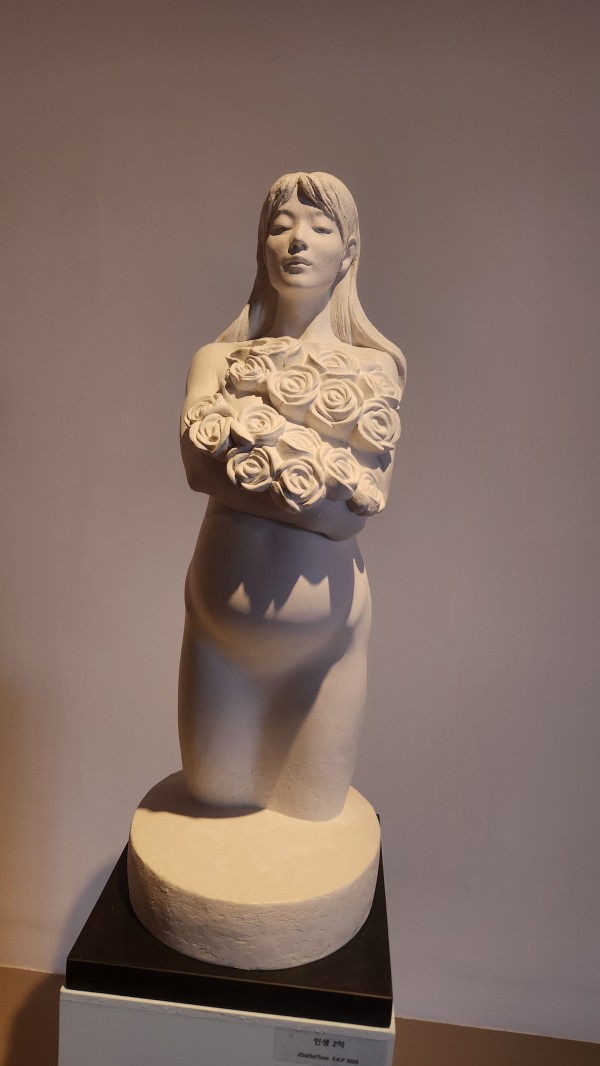
Closing Reflections Park Min-gwang’s sculptures breathe rather than speak. They gather in layers, like sediment formed through years of lived experience. Her women stand steady; her flowers linger long after bloom; her butterflies vibrate with memory.
Each piece marks a moment when life transformed into form—and form, in return, shaped her life once again.
The exhibition of sculptor Park Min-gwang continues on the third floor of the Insa Art Center (41-1 Insadong-gil) through the first of next month, offering a rare opportunity to encounter her quietly resonant, retro-infused sculptural world.