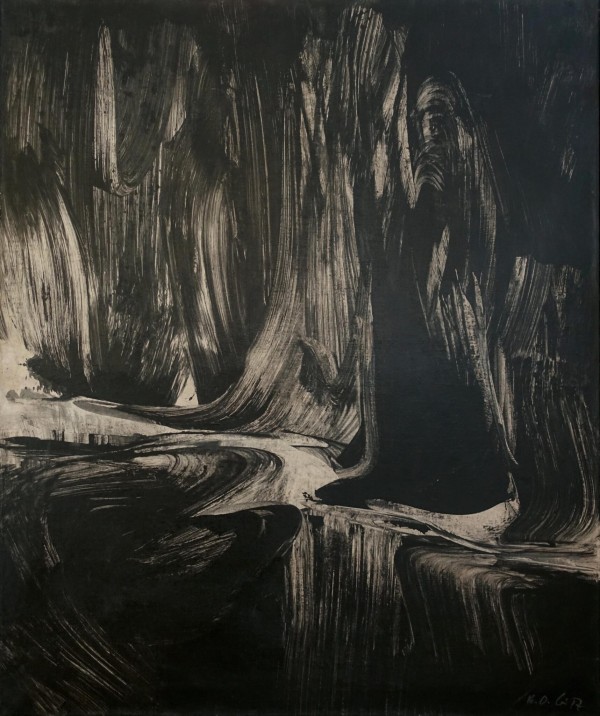
Karl Otto Götz. D I E G A L E R I E , www.die-galerie.com ,
At Frieze Seoul 2026, Peter Femford, founder of Germany’s historic DIE Gallery, presented a powerful showcase dedicated to Karl Otto Götz, one of the primary figures of European Informel art.
Establishing DIE Gallery in 1979, Femford brings nearly half a century of expertise to the international art market and has maintained a continuous presence in South Korea for over two decades.
Having participated in the Korea International Art Fair for twenty-two consecutive years, Femford made a strategic shift to Frieze Seoul's Spotlight section, presenting fifteen museum-caliber works by Götz to South Korean collectors and art enthusiasts.
The Master of Informel: Unveiling Karl Otto Götz's Dynamic Canvas
The Spotlight presentation focused on Karl Otto Götz, a visionary artist who passed away in 2017 at the age of 103. Götz joined the influential CoBrA movement in 1948 before pioneering his groundbreaking Informel style in 1951.
His process involved laying canvases flat on the floor and employing sweeping bodily gestures, large brushes, and controlled dripping techniques to channel intense physical energy directly onto the canvas.
The works featured at the fair spanned from pivotal 1953 compositions to creations from his later years, offering visitors an intimate look into a lifelong devotion to non-figurative abstraction.
Femford’s deep connection with Götz traces back through a forty-year personal friendship.
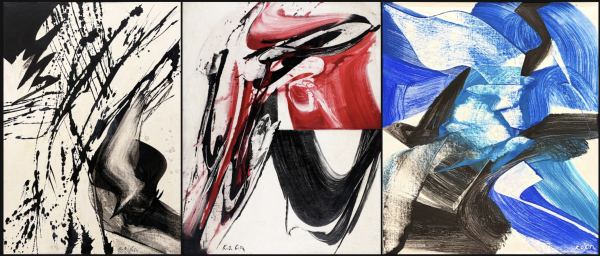
Karl Otto Götz
Recalling their early days when high prices initially made representation challenging, Femford eventually built a long-term professional relationship as his gallery expanded its clientele.
He emphasized that Götz’s practice was rooted in pure artistic integrity rather than commercial trends, producing works that have been featured repeatedly in prominent museum exhibitions across the globe.
As a leading pioneer of post-war German Art Informel, Karl Otto Götz (1914–2017) revolutionized abstract painting with his explosive, high-speed technique using squeegees and brushes.
A highly influential professor at the Düsseldorf Art Academy, Götz produced works defined by rhythmic intensity and a masterful balance of chance and structure.
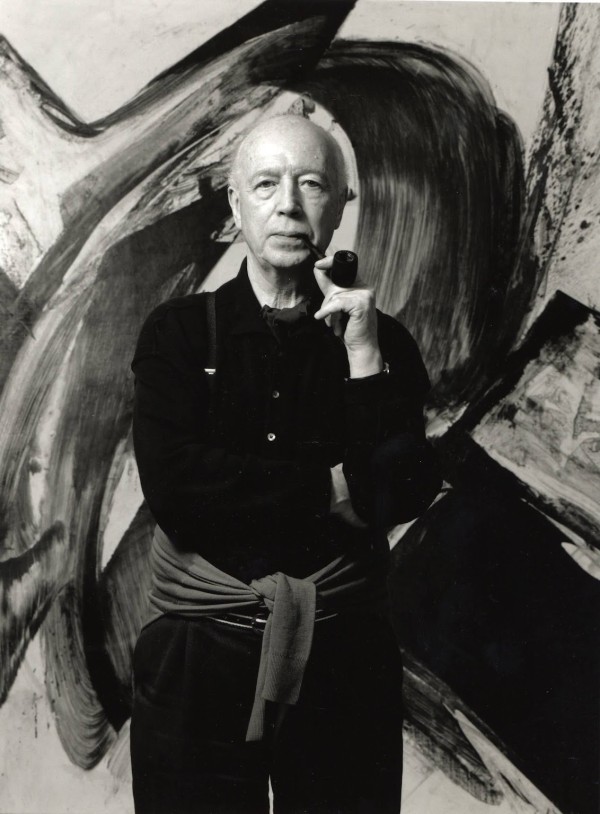
"Karl Otto Götz during his lifetime (1914–2017)"
His broad body of work remains a cornerstone of 20th-century abstract art, featured in major museums and private collections around the world.
Born in Aachen, he showed an early passion for non-objective art and experimental woodcuts, though his early artistic development faced severe challenges when he was banned from painting and exhibiting under Nazi rule in 1935. During World War II, while conscripted into military service, Götz continued to experiment creatively, developing innovative techniques like air-pump paintings and drafting his foundational art notes.
Following the war, Götz rapidly emerged as a driving force in the international avant-garde movement.
He connected with the radical European CoBrA group, published the experimental art magazine META, and co-founded the influential German Informel group "Quadriga" in 1952.
That same year, he invented his hallmark painting technique, using squeegees and brushes to dynamically slash through wet layers of gouache and paste, capturing a unique balance of speed, spontaneity, and control.
Götz was also a deeply influential educator and scholar.
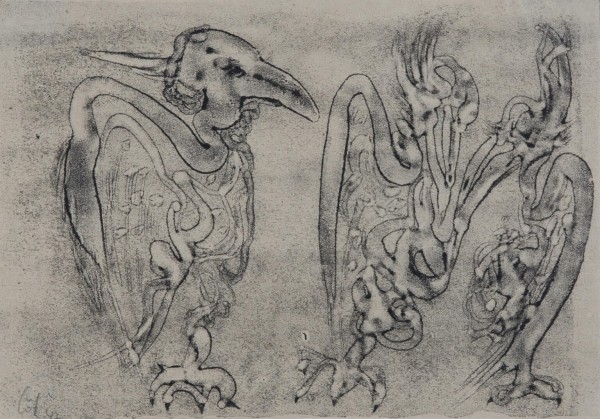
Karl Otto Götz Ohne Titel 1947 21 x 29.5 cm
Appointed to the Düsseldorf Art Academy in 1958, he spent decades mentoring a pivotal generation of German artists while exploring scientific theories of visual perception alongside his second wife and artistic collaborator, Rissa.
Over his century-long life, Götz gained widespread international recognition, exhibiting at major venues including the Venice Biennale and documenta, establishing the K. O. Götz and Rissa Foundation, and receiving prestigious honors such as the Federal Cross of Merit.
He passed away in 2017 at the age of 103, leaving behind an enduring legacy as a master of gestural abstraction.
Bridging Continents through Artistry and Vision
Although European Informel abstraction represents a distinct historical narrative, Korean visitors received Götz's high-energy compositions with enthusiastic curiosity.
Femford noted that audiences reacted strongly to the raw dynamism and structural balance within the monochrome and gesture-rich canvases.
Having observed South Korea's art scene evolve over twenty-two years, Femford highlighted the growing sophistication of local collectors and the expanding cultural infrastructure that makes Seoul a vibrant international hub for contemporary art.
Transitioning from a corporate managerial career in 1972 to found his gallery after a transformative global journey, Femford holds a steadfast belief in the humanistic power of art.
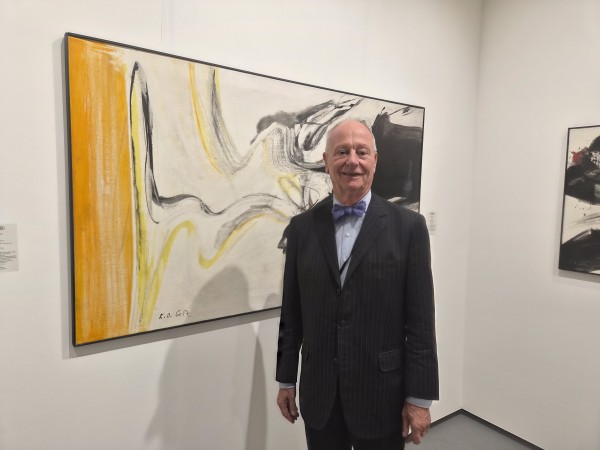
CEO of DIE GALERIE , Peter Femfert
Reflecting on a speech he delivered at the World Knowledge Forum in Seoul titled "Art Will Save the World," Femford reiterated that genuine art offers peace, inspiration, and lasting value across generations.
As Die Gallery continues to champion authentic creative expression, its participation in Frieze Seoul 2026 reinforces the ongoing dialogue between European abstract history and South Korea's dynamic art market.
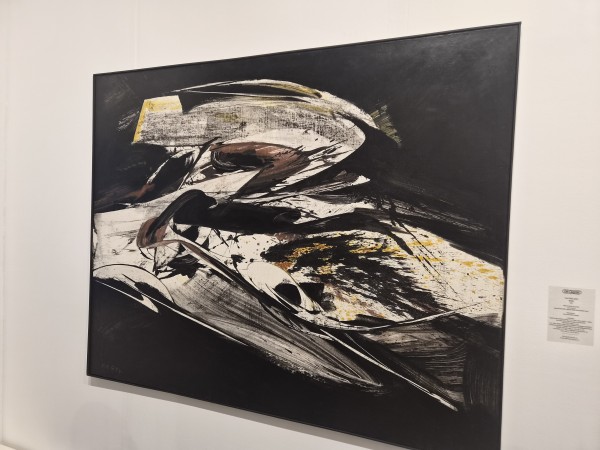
DIE GALERIE,
Karl Otto Götz
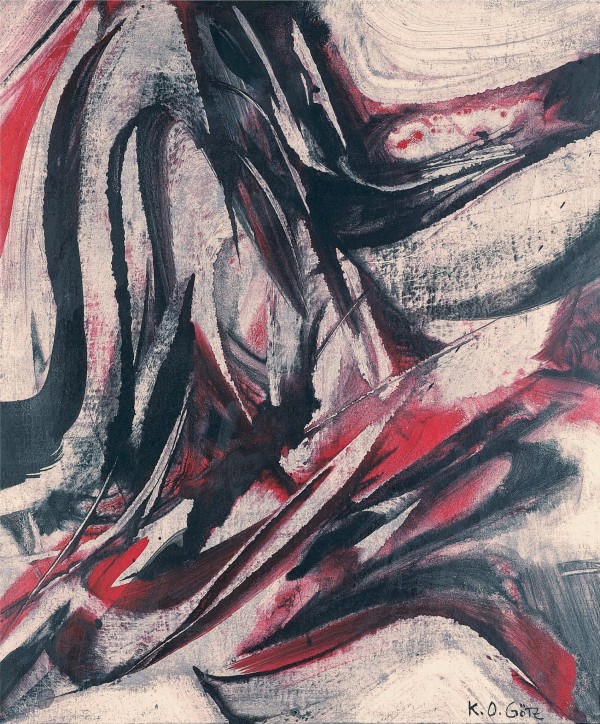 Karl Otto Götz 08.08.1953 1953 Mixed media on canvas 70.5 x 60 cm